Where Bar Fruit Flies Come From and Breed
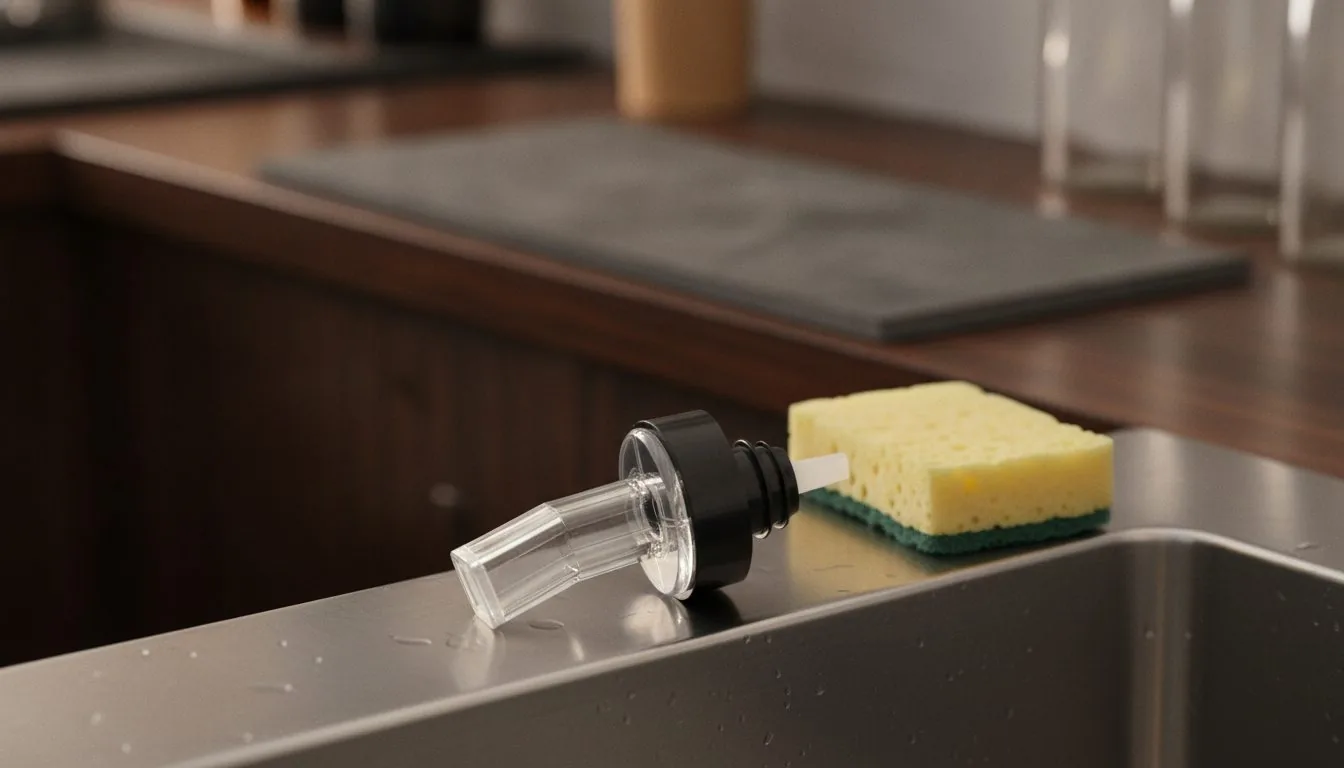
Quick Answer: Bar fruit flies come from anything wet, sweet or fermenting that stays put: overripe fruit, spilled mixers and syrup, unrinsed bottles, damp mops and towels, and slime in drains and under mats. University of Maryland Extension says adults are drawn to fermenting food, wine, beer, juice and vinegar, and a full life cycle takes 8 to 10 days. Adults can also arrive on produce or through small gaps.
Fruit flies do not appear from nowhere. They find a food source, lay eggs on it, and the next generation hatches in the same spot. Knowing the usual sources of fruit flies in a bar is most of the work. This post maps them, and the removal routine tells you what to do once you have found one.
Why do fruit flies show up in a bar?
Because a bar has what adults are attracted to. University of Maryland Extension (checked September 2026) says adults are attracted to overripe fruits and vegetables and to fermenting foods, and that wine, beer, fruit juice and vinegar attract them too. The female lays eggs on the surface of the food or fermenting liquid. The larvae feed for 5 to 6 days, then crawl to drier areas to pupate. UC IPM (checked September 2026) says the larvae of these flies feed in damaged or fermenting, overripe fruit, and that most species do not feed in undamaged fruit. Numbers are highest indoors in late summer and fall, but a splash of red wine left out in winter is enough to draw a few, according to Washington State University Extension.
Where do fruit flies breed behind a bar?
The same handful of places, in most bars.
| Bar spot | Why flies breed there | Source |
|---|---|---|
| Garnish trays and fruit | Cut, overripe or damaged fruit ferments, and larvae feed in it. | UC IPM; University of Maryland |
| Spilled mixers, syrup and juice | Spills inside soda dispenser drip trays and broken syrup containers under counters. | Oregon State PNW 769 and 770 |
| Empty bottles and cans | The sweet residue inside soda and beer cans and wine bottles is especially alluring. | Washington State; Iowa State |
| Drains and disposals | Slime builds in floor and sink drains, overflow drains and garbage disposals. One species is strongly attracted to it. | Oregon State PNW 770 |
| Under mats | Slime also forms under antiskid floor mats. Oregon State names floor mats; check bar mats the same way. | Oregon State PNW 770 |
| Mops, towels, sponges | Damp mops, towels, dish rags and sponges can support the whole life cycle. | University of Maryland; Washington State |
For cleaning the mats themselves, see barglassmat's guide to caring for bar mats.
Do unwashed bottles attract fruit flies?
Empty ones do. Iowa State University Extension (checked September 2026) lists empty bottles and cans among the breeding areas, and University of Maryland Extension says to rinse and drain bottles and cans before they go to recycling. Sugar residue is the pattern in every source above, so wipe sticky bottle necks and spouts as part of closing. None of the extension pages cited here tests pour spouts specifically, so treat that as a sensible extension of the rule, not a finding.
Can fruit flies come in from outside?
Yes. Iowa State says adults are small enough to pass window screens or gaps around exterior doors if they sense food inside, and that they hitchhike on produce. Washing produce removes eggs laid on it, according to the same page. The FDA Food Code 2026 (§6-501.111, checked September 2026) lists routine inspection of incoming food shipments as a pest control step. Oregon State recommends 18 by 18 mesh window screens to exclude most smaller flies, plus snug door sweeps.
How do you find which source is feeding them?
Let the flies show you. Oregon State says small plug-in UV light traps with sticky boards can show where adults are most numerous, though not near sinks or dishwashing equipment where water splashes. For a drain, Oregon State's check is to cover the opening overnight with clear tape, or a clear container with a sticky card taped inside, and see what emerges. Flies can come from more than one place, so check them all.
Where the Esatto Pourer With Screen, 12 Pieces fits
Esatto makes and sells the Pourer With Screen, 12 Pieces. It is our own product, not an independent pick. Its page describes a built-in screen that acts as a protective barrier, keeping bugs and debris out of your liquor. That closes one way into a bottle. It does nothing about the sources in the table, and it is not a fruit fly control on its own. The screen pourers collection lists the pack sizes, and our earlier post covers bottle protection.
Frequently asked questions
Why do fruit flies keep showing up?
Something wet, sweet or fermenting is available to them, often out of sight. Check the recycling, drains, drip trays, mops, and any fruit that has bruised or gone soft. Finding it matters more than the number of flies you see.
Do fruit flies come from drains?
Some species are strongly attracted to the slime that builds in drains, according to Oregon State. Drains are one of several sources, so check fruit, spills and bottles as well. Cover a drain overnight to test it.
How fast do fruit flies multiply?
The life cycle takes 8 to 10 days (University of Maryland). Iowa State says a female lays 100 or more eggs a day. Washington State says a female can lay up to 500 eggs in rotting produce. Numbers rise quickly once a source exists.
What attracts fruit flies to a bar?
Overripe and fermenting fruit, wine, beer, juice and vinegar, plus spills and residue. University of Maryland Extension names those directly. Sticky mixers and syrups fit the same pattern of sugary, fermenting material.
Can a clean bar still get fruit flies?
Yes, because adults can arrive on produce or through gaps, and hidden sources such as drains and drip trays are easy to miss. Iowa State and Oregon State both describe flies entering from outside.
Can fruit flies breed in an open bottle or a drink left out?
Females lay eggs on the surface of food or fermenting liquid, and adults are drawn to wine, beer, juice and vinegar (University of Maryland). The extension pages cited here do not test spirit bottles. The safe reading is that sugary residue is the risk, so cap open bottles and do not leave drinks sitting.